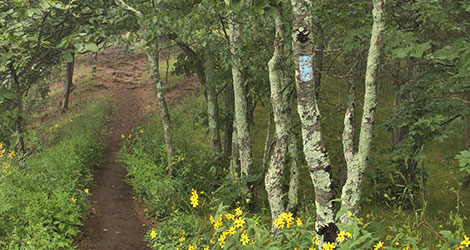
Meet the Landowners Who Make Your Hike Possible
You might assume Connecticut’s 825 miles of Blue-Blazed Hiking Trails are fully protected by conserved land. The truth is, many of our most beloved paths cross through unprotected private property. Thanks to the generosity of landowners who graciously allow public access, hikers and nature lovers can enjoy continuous passage through some of our state’s most scenic landscapes.
Trail Host Hero Interviews
Read their stories, celebrate their generosity, and learn more about the trails you love.


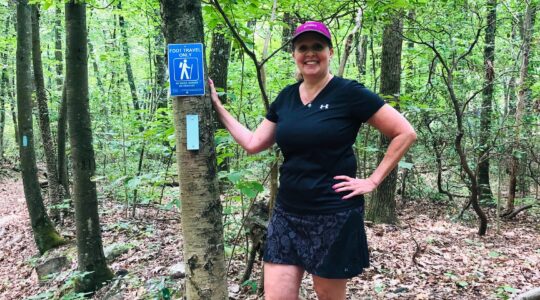
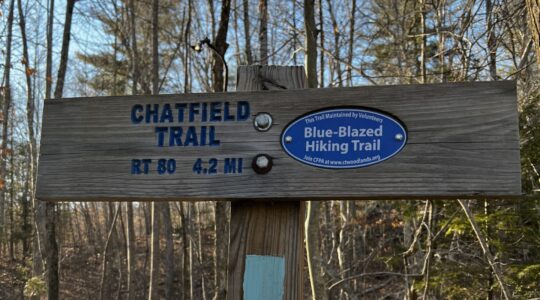
A Legacy Built on Partnership
Since the first Blue-Blazed Hiking Trail was blazed by volunteers in 1929, the system has been built on a revolutionary idea: a public trail network crossing a mosaic of public and private lands. Some of our most popular trails, such as the Quinnipiac Trail and the New England National Scenic Trail, have numerous, often lengthy sections through unprotected private land. This unique model has connected hikers to nature for nearly a century, thanks to easements and handshake agreements with trail hosts.
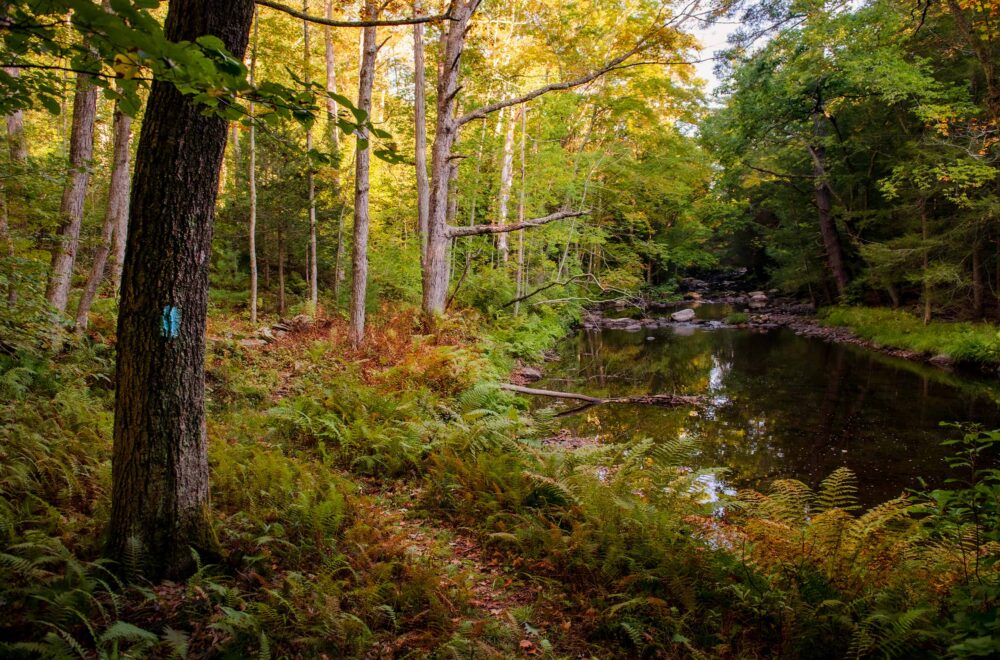
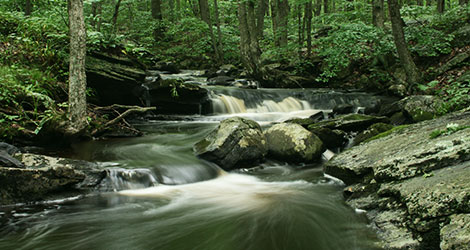
Natchaug Trail © J. Koteen Photography
Hike Responsibly, Hike with Gratitude
The greatest way to thank trail hosts is to be a respectful guest on their land. By following these simple guidelines, you help ensure these trails are not a burden on those who own the land:
- Stay on the Trail: Wandering off-trail can damage fragile ecosystems and intrude on landowners’ privacy. The blue blazes mark the path they have generously agreed to share.
- Leave No Trace: Pack out everything you bring in. Landowners should never have to clean up litter. This includes dog waste and biodegradable items like food peels.
- Keep Dogs Leashed: A leashed dog is predictable and safe for wildlife, other hikers, and the property owner. Always clean up after your pet.
- Know Before You Go: Allowable activities vary from trail to trail. Camping, fires, and motorized vehicle use are prohibited on most sections of trails. Treat stone walls, fences, and forested areas with care—you are in someone’s backyard.