
Securing the Future of Connecticut’s Woodland
Investing in programs that create healthier and more equitable forests.
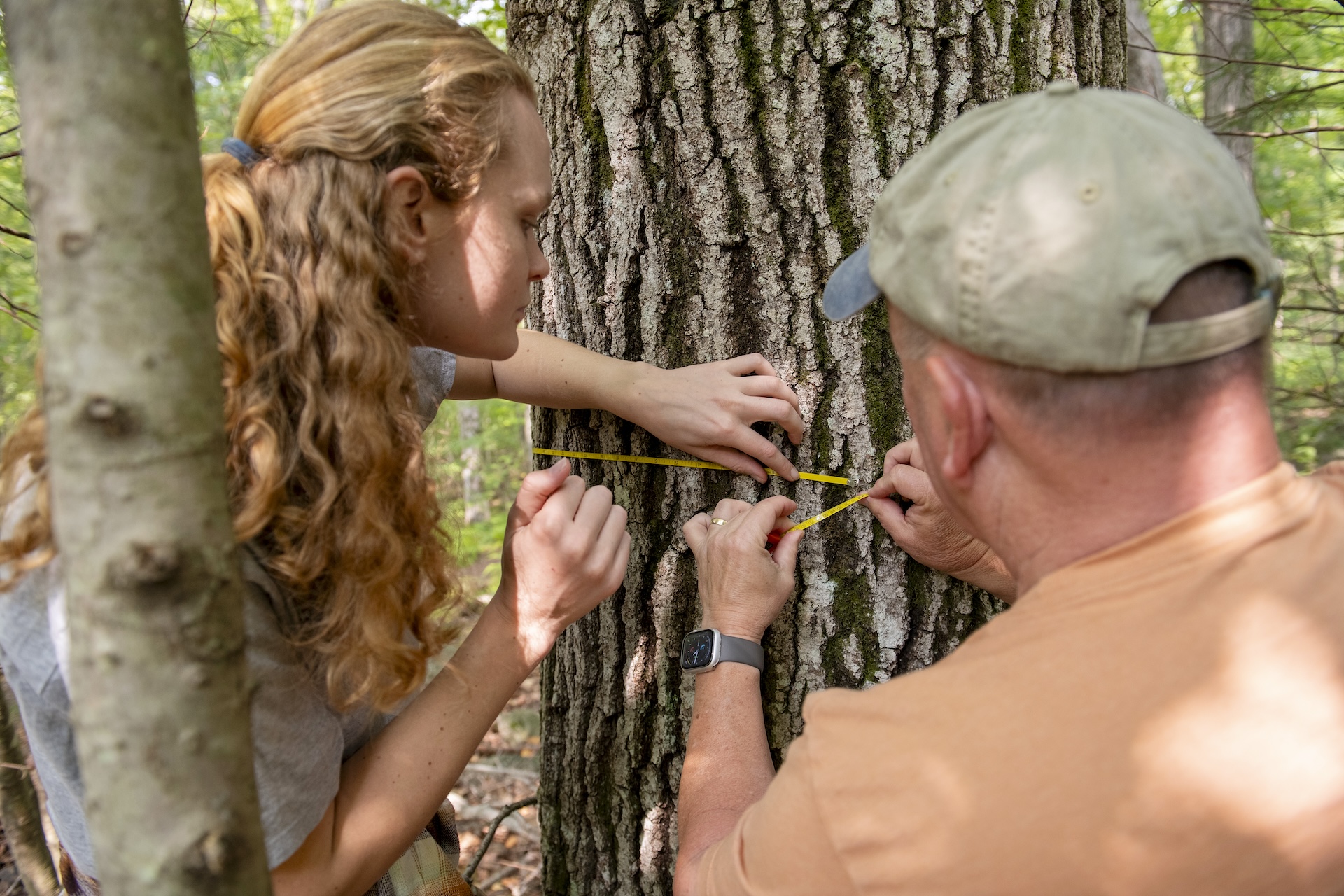
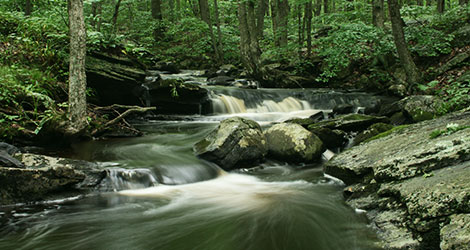
Connecticut’s woodlands are one of our greatest treasures. Covering nearly 60% of our state, these forests clean our air and water, provide essential wildlife habitat, and give residents beautiful places to explore. However, 71% of Connecticut’s forests are privately owned. This means the future of our state’s natural legacy rests with thousands of local landowners who want to do the right thing for their land.
Managing a forest is a complex job. Landowners face constant pressure from invasive species, climate change, and development. To be effective stewards, they need access to the best science and practical skills.
For five years, CFPA’s Master Woodland Manager (MWM) program has provided exactly that. But this successful program is at risk. It has long relied on federal grants that are now uncertain, threatening the entire program’s future.
The Connecticut Forest & Park Association (CFPA) is requesting up to $200,000 in state support to sustain the program and ensure Connecticut landowners continue to receive guidance on sustainable forest management.
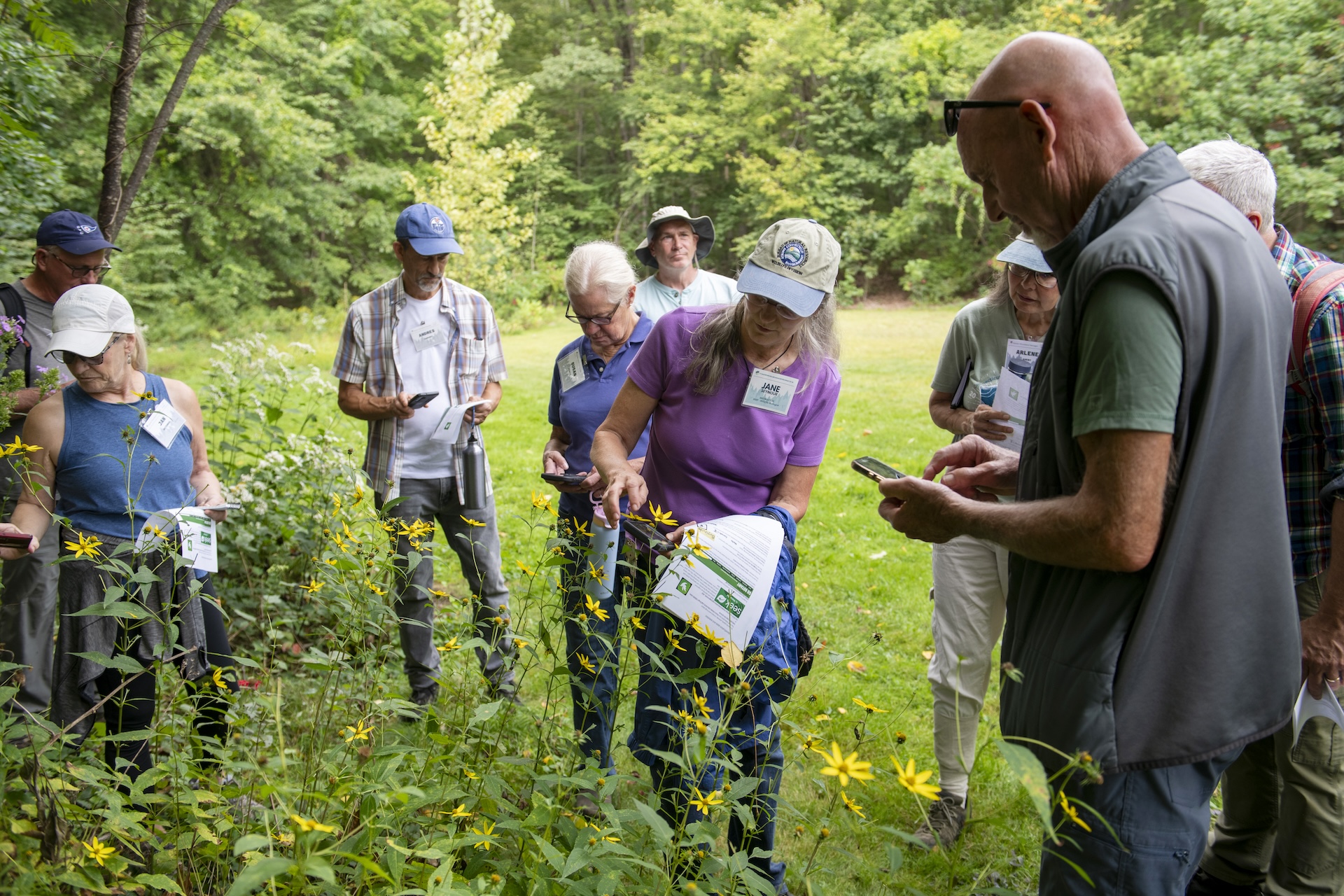
This isn’t just a new cost. It’s an investment in the future of Connecticut’s forests. The Master Woodland Manager program is successfully giving landowners, foresters, and community leaders the tools and knowledge they need to keep our forests healthy and resilient for the future.
In just five years, this program has:
- Trained 226 people to become expert stewards of the land.
- Provided over 100 hours of hands-on field instruction to each student each year.
- Provided over 40 hours of virtual programming to each student each year.
- Created a powerful network of conservation-minded landowners across the state.

The commitment to healthy forests extends everywhere, including our cities and towns. State funding is also critical for the Department of Energy and Environmental Protection (DEEP) to continue its urban forestry work. Urban trees cool our neighborhoods, improve air quality, and make our communities healthier places to live. If federal funding is reduced, the state must step up to maintain this essential work that benefits all residents.