



The View from the Canopy
CFPA’s 2026 Conservation Agenda: Investing in Connecticut’s Outdoors
By Clare Cain
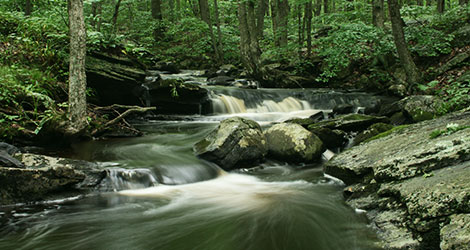
Connecticut’s forests, parks, and trails are essential to our quality of life and the state’s long-term resilience. These lands protect water quality, support public health, provide recreation, and contribute significantly to our local economy. Sustained investment in conservation is key to preserving this legacy and ensuring our state remains an outstanding place to live, work, and play.
Since 1897, CFPA has championed the protection of the state’s natural resources. Our 2026 Conservation Agenda builds on this powerful history, looking ahead to preserve public lands, strengthen environmental stewardship, and expand equitable access to outdoor recreation.
A cornerstone of the agenda is our stalwart support for the Passport to the Parks program. In 2024, the General Assembly made a historic investment by updating the program’s revenue structure, allowing all Connecticut residents to access state parks and forests without entrance fees. CFPA urges lawmakers to maintain the integrity of the program and avoid fund diversions or new exemptions that would weaken its statewide benefit.
With federal funding being eliminated, forestry programs in CT are at risk. CFPA’s acclaimed Master Woodland Manager (MWM) program has trained more than 200 landowners and forest managers in sustainable practices. We are seeking critical state support to sustain the MWM program, along with critical urban forestry program initiatives, that expand our tree canopy and strengthen our climate resilience.
Adequate agency staffing is another key priority. CFPA supports targeted investments at the Department of Energy and Environmental Protection (DEEP) and the Department of Agriculture to ensure these agencies can fulfill their missions. Key needs include installing a full-time environmental educator at Goodwin Conservation Center in Hampton, as well as fully staffed survey crews to protect state lands from egregious encroachments.
CFPA also calls for the development of a comprehensive State Parks and Forests Master Plan. With evolving recreational interests and uncertain long-term funding, a strategic plan is essential to guide investments in our state lands over the next decade. We believe that, at a minimum, planning should include consideration for capital improvements, sustainable funding strategies, management and operations guidance, and measurable action steps to enhance visitor experience while also protecting our sensitive natural and cultural resources.
In the 1960’s, CFPA helped spearhead Public Act 63-490 (commonly referred to as “PA 490”), an act concerning the taxation and preservation of farm, forest or open space lands. CFPA will continue to closely monitor any discussions around implementation and potential changes to this important tool for agriculture and forest lands in our state.
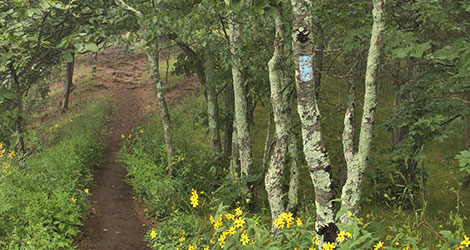
Finally, CFPA encourages continued bonding for trails and open space. Investments in the Blue-Blazed Hiking Trail System and connected greenways leverage extensive volunteer labor and ensure public access to protected lands. CFPA will also continue to carefully monitor state land conveyances to safeguard the long-term protection of our public lands.
You can stay connected to our legislative work by signing up for action alerts on our website and adding your voice to a proud community of advocates working to protect Connecticut’s natural heritage for generations to come.
Clare Cain is CFPA’s Trail Director and Interim Executive Director.